






What are bone marrow and haematopoietic stem cells?
Bone marrow is a soft, spongy tissue found inside the bones. It contains the cells from which blood cells originate — the so-called "haematopoietic" cells.
As they divide, haematopoietic stem cells can produce more blood stem cells or turn into "red blood cells – erythrocytes", "white blood cells – leucocytes" or "platelets" that enter the bloodstream. The vast majority of haematopoietic stem cells are found in the bone marrow, but some are also found in umbilical cord blood and in the bloodstream.
Wherever they are located, the cells collected can be used for a transplant.
What is a bone marrow transplant?
A bone marrow or stem cell transplant is carried out to replace the healthy cells destroyed by cancer treatment. The bone marrow or stem cells taken from the donor are frozen and carefully stored; meanwhile, the patient receives high-dose chemotherapy and, sometimes, total body irradiation.
There are three types of transplant:
Autologous transplant: this involves collecting the patient's own stem cells from their bone marrow or bloodstream.
Syngeneic transplant: the graft consists of stem cells from an identical twin.
Allogeneic or haploidentical transplant: the graft consists of stem cells taken from siblings or close relatives. Where there is a match, an unrelated donor can also be used.
How does a bone marrow transplant work?
First, before the cells are transplanted, the person's disease must be treated. The patient is first treated using the method defined by the doctors. Then, with the help of certain medicines, stem cells are collected and frozen. Generally, a week after the healthy cells are collected, the patient is given high-dose medicines. After these high-dose medicines are given, the stored healthy stem cells are reinfused into the patient. This approach allows the stem cells damaged during treatment to regenerate.
Does an autologous transplant carry risks?
When the patient's stem cells are collected, there is a risk that diseased cells will be collected too. In other words, reinfusing the frozen stem cells into the patient may lead to a relapse of the disease because of the presence of diseased cells.
Is an allogeneic transplant dangerous?
An allogeneic transplant exposes the patient to the donor's immune system. This is an advantage, but allogeneic transplantation carries a risk of immune incompatibility. This can cause a reaction between the donor's immune system and the organs of the patient receiving the stem cells. The liver, skin, bone marrow and intestines can then be damaged. This situation, which requires treatment, is called "graft-versus-host disease (GVHD)". It damages organs and can lead to organ failure. An autologous transplant does not carry this risk.
In an allogeneic or haploidentical transplant, are the donor's stem cells compatible with the patient's?
Doctors mainly use the stem cells that most closely resemble the patient's. In this way, possible side effects can be kept to a minimum. On the surface of human cells there are various proteins called human leucocyte antigens (HLA). These proteins are determined by a blood test called HLA typing.
In most cases, the success of an allogeneic transplant depends on the degree of compatibility between the HLA antigens of the donor's stem cells and the HLA antigens of the recipient. The higher the number of matching HLA antigens, the greater the likelihood that the recipient's body will accept the donor's stem cells. In general, a good level of compatibility between donor and recipient stem cells minimises the risk of developing the complication known as graft-versus-host disease (GVHD).
The likelihood of a match at the HLA typing level is higher in a close relative, particularly a sibling, than in an unrelated person. Only about 25 to 35% of patients have an HLA-matched sibling. The likelihood of finding HLA-matched stem cells from an unrelated donor is slightly higher – around 50%. When the donor and recipient belong to the same ethnic group and origin, HLA compatibility with unrelated donors improves considerably. The number of donors is generally increasing; conversely, people from certain ethnic groups have less chance of finding a compatible donor. A database bringing together all volunteer donors can help in finding an unrelated donor.
Identical twins have the same genes, and therefore the same HLA antigens. This is why the patient's body will accept a transplant from their identical twin. However, as identical twins are not numerous, this type of transplant is performed fairly rarely.
How is bone marrow collected for a transplant?
The stem cells used in bone marrow transplants are collected from the liquid centre known as the "marrow". The marrow collection procedure, usually called "harvesting", is similar for all three types of bone marrow transplant (autologous, allogeneic, haploidentical). This procedure takes place under general anaesthesia or under a local anaesthetic that numbs the donor from the lower back downwards. To collect the marrow, needles are inserted into the bone marrow at the iliac bone. The harvest lasts about an hour.
The bone marrow collected is processed to remove any bone and blood residue. A preservative may be added to the marrow collected, and the stem cells are then frozen to be stored until they are used. This method is called cryopreservation. Thanks to this cryopreservation method, stem cells can be stored for many years.
How are peripheral blood stem cells collected?
Peripheral blood stem cells are collected from the bloodstream. The cells used for the transplant are collected using a procedure called "apheresis or leukapheresis". To increase the number of stem cells in the bloodstream, a treatment may be given to the donor 4 to 5 days before apheresis. For apheresis, blood is drawn from a large vein in the arm or through a central venous catheter (a flexible tube inserted into a large vein in the neck, chest or pelvic region). The blood passes through a machine that collects the stem cells. The blood is then returned to the donor, while the cells collected are stored. Apheresis generally lasts 4 to 6 hours. The stem cells are frozen until they are used in the recipient.
Does donating bone marrow carry risks?
In general, since only a very small amount of marrow is collected, this donation does not pose a serious problem. Most of the associated risks come from complications related to the anaesthesia used during the procedure.
The area where the bone marrow was collected may remain swollen and hard for a few days. The donor may feel tired during this period. The donor's body replaces the lost bone marrow within a few weeks, but the recovery time needed may vary from donor to donor. Some people can resume their daily activities in 2 to 3 days, while others need 3 to 4 weeks to regain their strength.
Does donating peripheral blood stem cells carry risks?
Apheresis generally causes only minimal discomfort. The person may feel weak, have chills, numbness of the lips and cramps in the hands. Unlike a bone marrow transplant, no anaesthesia is needed for peripheral blood stem cells. The medicine used to stimulate the passage of stem cells from the marrow into the bloodstream can cause bone and muscle pain, headaches, tiredness, nausea, vomiting and/or sleep disturbances. The side effects generally disappear 2 to 3 days after the last dose of the medicine.
What happens when the stem cells are transplanted into the patient?
The stem cells enter the bloodstream, then settle in the bone marrow and begin to produce red blood cells, white blood cells and platelets. These cells generally begin to produce blood 2 to 4 weeks after the transplant. Doctors monitor this process through frequent blood tests. However, the complete reconstitution of the immune system takes longer. This period is generally a few months for recipients of an autologous transplant and one to two years for recipients of an allogeneic or haploidentical transplant.
What are the possible side effects of a bone marrow transplant?
The main risk associated with these two treatment methods is increased susceptibility to infections and bleeding, due to the high-dose anticancer treatment. Doctors may give patients antibiotics to prevent or treat infections. A platelet transfusion may be needed to prevent bleeding, and a red blood cell transfusion to treat anaemia. Patients who have had a bone marrow or peripheral blood stem cell transplant may experience short-term side effects such as nausea, vomiting, tiredness, loss of appetite, mouth ulcers, hair loss and skin reactions.
Possible long-term side effects are generally related to the chemotherapy and radiotherapy given before the transplant. They include infertility (the person being unable to have a child biologically), cataracts (clouding of the lens), secondary cancers, and damage to the liver, kidneys, lungs and/or heart. The risks of complications and their severity depend on the patient's treatment and must be managed with the doctor who prescribes the treatment.
What is a "mini-transplant"?
A mini-transplant is a type of allogeneic transplant (known as a non-myeloablative or reduced-intensity transplant). Clinical studies are currently under way for the treatment of various types of cancer, including leukaemia, lymphoma, multiple myeloma and other blood cancers.
In a mini-transplant, lower doses of chemotherapy or radiotherapy are used to prepare the patient for the allogeneic transplant. The low doses of drugs and radiation destroy part of the patient's bone marrow, without damaging it completely. It also reduces the number of cancer cells and weakens the immune system to prevent rejection of the graft.
Unlike a conventional bone marrow transplant or a peripheral blood stem cell transplant, after a mini-transplant the donor's cells and the patient's cells continue to coexist for a short period. When the bone marrow starts to function, the donor's blood cells trigger the graft-versus-tumour (GVT) reaction and destroy the cancer cells still present after the drug treatment and/or radiotherapy. To strengthen the GVT effect, white blood cells from the donor may be given to the patient. This procedure is called "donor lymphocyte infusion".
A. Melih Özel
Professor of Gastroenterology
Internal Medicine – Gastroenterology
A. Melih Özel
Professor of Gastroenterology
Internal Medicine – Gastroenterology
Education and career
• Cerrahpaşa Faculty of Medicine, Istanbul University
• Gülhane Military Medical Academy
• GMMA Haydarpaşa Training Hospital
• Maltepe University Faculty of Medicine
Specialties and medical areas of interest
• Inflammatory bowel diseases
• Chronic liver diseases
• Diseases of the pancreatico-biliary system
• Interventional gastrointestinal endoscopy
• ERCP
• Turkish Society of Gastroenterology
• Turkish Association for the Study of the Liver
• Inflammatory Bowel Diseases Association
• Gastrointestinal Endoscopy Society
• Turkish Society of Internal Medicine
• European Society of Gastrointestinal Endoscopy – ESGE
Research and publications
• 36 international articles
• 64 national articles
• More than 100 papers at national and international congresses
• 1 book translation
• 4 book chapters
• 16 book chapter translations
• 5 book translations for a publishing house
• More than 150 citations
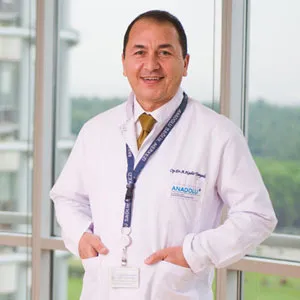
A. Nadir Tosyalı
A. Nadir Tosyalı
M.D.
Surgery – Paediatric Surgery
Education and career
• Dicle University, Faculty of Medicine
• Göztepe Training and Research Hospital
• Istanbul University, Cerrahpaşa Faculty of Medicine
• Yeditepe University, Faculty of Medicine
• Pendik Regional Hospital
Areas of specialisation and medical interest
• Neonatal surgery
• Paediatric urology
• Surgical oncology
• Paediatric trauma and burns
• Paediatric thoracic surgery
Research and publications
• 8 international publications
• 17 national publications
• 4 posters
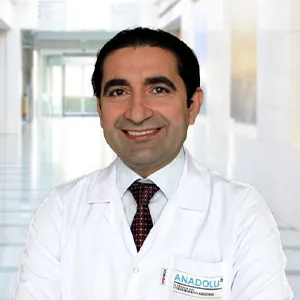
Abdulcabbar Kartal
Abdulcabbar Kartal
M.D., Assoc. Prof. Dr.
Bariatric Surgery
An experienced bariatric surgeon who has performed more than 500 laparoscopic and robot-assisted procedures. He holds a certification in minimally invasive surgery (laparoscopy / Da Vinci robotic surgery).
Areas of specialisation and interest
- Bariatric surgery (sleeve gastrectomy, gastric bypass, SADI — single-anastomosis duodeno-ileal bypass)
- Robot-assisted bariatric surgery
- Advanced laparoscopic surgery
- Laparoscopic and open surgery for stomach cancer
- Laparoscopic hernia surgery (TAP, TEPP, ventral hernia)
- Laparoscopic and open colorectal surgery
Education and professional career
- Istanbul University, Faculty of Medicine
- Şişli Etfal Training and Research Hospital
- Şanlıurfa Public Hospital
- Okan University Hospital
- Konak Private Hospital
- Anadolu Medical Center
Institutional memberships
- European Society of Coloproctology (board-certified), member
- Turkish Society of Bariatric and Metabolic Surgery
- Turkish Society of Colon and Rectal Surgery (board-certified), member
- Turkish Surgical Association (board-certified), member
- Turkish Association of Endoscopic and Laparoscopic Surgery, member
- Turkish Association of Trauma and Emergency Surgery, member
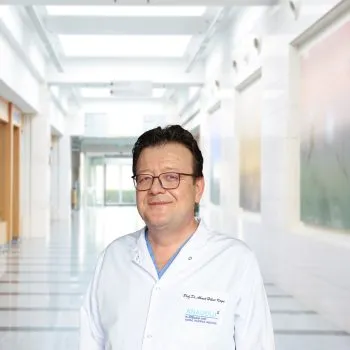
Ahmet Hilmi Kaya
Ahmet Hilmi Kaya
Ahmet Hilmi Kaya, M.D. Prof.
Department of Neurosurgery
NAME: Ahmet Hilmi Kaya, M.D. Prof.
ADDRESS: Anadolu Medical Center
Department of Neurosurgery
Gebze, Kocaeli – TURKEY
email: ahmet.kaya@anadolusaglik.org
EDUCATION:
1989-1996 Istanbul University, Cerrahpaşa Faculty of Medicine
POSTDOCTORAL TRAINING
1996-2003 – Department of Neurosurgery, Cerrahpaşa Faculty of Medicine, Istanbul University
2005-2011 – Department of Neurosurgery, Faculty of Medicine, Ondokuz Mayıs University, awarded the title of Associate Professor
2015 – awarded the title of Professor, Gelişim University, İstanbul
PROFESSIONAL EXPERIENCE:
Position Department – Institution Year
Research physician Marmara University, Faculty of Medicine, Department of Neurosurgery 1996–1997
Research physician Istanbul University, Cerrahpaşa Faculty of Medicine, Department of Neurosurgery 1997–2003
Specialist Erdem Private Hospital 2004-2005
Assistant Professor Ondokuz Mayıs University, Faculty of Medicine, Department of Neurosurgery 2005-2010
Observer Maastricht University, Cellular Neuroscience, Netherlands 2007
Observer Maastricht University, Cellular Neuroscience, Netherlands 2009
Assistant Professor Ondokuz Mayıs University, Faculty of Medicine, Department of Neurosurgery 2010-2011
Assistant Professor
Assistant Professor Medicana International Hospital, Samsun
Anadolu Medical Center, Gebze 2011-2012
2012-2016
Professor Gelişim University, Faculty of Health Sciences 2015-2019
Professor Anadolu Medical Center, Gebze 2015-2016
Professor
Professor
Professor Gaziosmanpaşa Private Hospital
Adatıp Private Hospital
Yeditepe University Koşuyolu Hospital 2016-2017
2017-2018
2018-2026
Professor Anadolu Medical Center, Gebze 2026 – present
Supervised theses / research work:
Arif Topal, "Changes in brain metabolic activity after lesion of the subthalamic nucleus in rats with induced Parkinson's disease", medical specialty thesis, Ondokuz Mayıs University, Faculty of Medicine, Department of Neurosurgery, Samsun, 2008
Roles held in projects:
"Changes in the metabolic activity of the dorsal raphe nucleus after lesion of the subthalamic nucleus in rats with induced Parkinson's disease", Ondokuz Mayıs University, Scientific Research Projects Commission, Samsun, project no. T.597, project leader, 2008
"Changes in brain metabolic activity after lesion of the globus pallidus (entopeduncular nucleus) in rats with induced Parkinson's disease", Ondokuz Mayıs University, Scientific Research Projects Commission, Samsun, project no. T.597, research assistant, 2008
MEDICAL AREAS OF INTEREST:
• Spinal tumours
• Spondylolisthesis (spinal slippage)
• Spinal cord tumours
• Spinal canal stenosis
• Spinal instrumentation
• Surgery for Parkinson's disease and movement disorders (deep brain stimulation)
• Essential tremor surgery
• Disc herniation (lumbar)
• Disc herniation (cervical)
• Stereotactic biopsy
• Neuroanatomy
• Functional and stereotactic neurosurgery
• Skull base surgery and brain tumours
• Vascular pathologies of the central nervous system
• Spinal surgery
Distinctions and awards:
1. Third research prize (2nd National Congress of the Neurosurgery Association, 2006)
2. Turkish Neurosurgical Society Overseas Fellowship Programme award, 2008
3. Seventh place in the evaluation of papers of the year at the 22nd Scientific Congress of the Turkish Neurosurgical Society, 2008
4. Aysima Altınok Thesis Award of the Turkish Neurosurgical Society, 2009
5. Arif Topal, "Changes in brain metabolic activity after lesion of the subthalamic nucleus in rats with induced Parkinson's disease", medical specialty thesis, Ondokuz Mayıs University, Faculty of Medicine, Department of Neurosurgery, Samsun, 2008. Thesis supervisor: Ahmet Hilmi Kaya
6. Third place in the evaluation of papers of the year at the 23rd Scientific Congress of the Turkish Neurosurgical Society, 2009
7. 7th place among the best papers of the year at the 23rd Scientific Congress (2009) of the Turkish Neurosurgical Society
Professional associations:
• Turkish Neurosurgical Society
• Turkish Medical Association
International publications:
A1. Ozyurt, E., T. Tanriverdi, A.H. Kaya, MY. Kaynar, T. Kacira and G. Girisken, "Rapidly growing chondromyxoid fibroma of the sellar region: case presentation and review of the literature", Neurosurgery Q, 12, 307-311 (2002).
A2. Ozyurt, E., A.H. Kaya, T. Tanriverdi, S. Tuzgen, SA. Oguzoglu, MH. Hanefioglu and C. Kuday, "New classification of insular tumours and surgical results in 40 patients", Neurosurgery Q, 13, 138-148 (2003).
A3. Tuzgen, S., B. Canbaz, A.H. Kaya, G.Z. Sanus, C. Kuday, M. Memis and B. Oz, "Experimental study of rapid and slow occlusion of the sagittal sinus in dogs", Neurol India, 51, 482-486 (2003).
A4. Kaya, A.H., T. Tanriverdi, M.Y. Kaynar, P. Erdincler and M. Uzel, "Early and isolated origin of the angular artery from the middle cerebral artery", Neurol India, 51, 425-427 (2003).
A5. Canbaz, B., T. Tanriverdi, A.H. Kaya and S. Tuzgen, "Pott's puffy tumour: a rare clinical entity", Lancet Infect Dis, 3, 721 (2003).
A6. Tuzgen, S., A.H. Kaya, D. Erdincler, S.A. Oguzoglu, O. Ulu and S. Saip, "Two cases of neuro-Behçet's disease mimicking a brain tumour", Neurol India, 51, 376-378 (2003).
A7. Canbaz, B., T. Tanriverdi, E. Ocal and A.H. Kaya, "Endolymphatic sac tumour: a rare differential diagnosis of lesions of the cerebellopontine angle", Neurosurgery Q, 14, 1-4 (2004).
A8. Tasdemiroglu, E., A.H. Kaya, S. Bek, C.B. Emir, A. Sengoz, O. Kilickesmez and I. Mansuroglu, "Neurological complications of cancer: part I: metastases of the central nervous system", Neurosurgery Q, 14, 71-83 (2004).
A9. Erdincler, P., A.H. Kaya, A. Kafadar, B. Canbaz and C. Kuday, "Bilateral peninsular-shaped linear craniectomy in mild craniosynostoses: indications, technique and long-term results", J Craniomaxillofac Surg, 32, 64-70 (2004).
A10. Tasdemiroglu, E., A.H. Kaya, S. Bek, C.B. Emir, A. Sengoz, O. Kilickesmez and I. Mansuroglu, "Neurological complications of cancer: part II: vascular, infectious, paraneoplastic, neuromuscular and treatment-related complications", Neurosurgery Q, 14, 133-153 (2004).
A11. Tasdemiroglu, E. and A.H. Kaya, "Syndromes of inappropriate (ectopic) secretion of hypothalamic and pituitary hormones", Neurosurgery Q, 14, 161-167 (2004).
A12. Kaya, A.H., B. Sam, F. Celik and U. Ture, "Fast-setting coloured silicone mixture intended for injection into the brain at autopsy: technical report", Neurosurg Rev, 29, 322-336 (2006).
A13. Senel, A., A. Dagcinar, A.H. Kaya and E. Kuruoglu, "Localised spontaneous subarachnoid haemorrhage as the first manifestation of cerebral venous thrombosis", Neurosurgery Quarterly, 16, 117-120 (2006).
A14. Dagcinar, A., A.H. Kaya, A. Senel and F. Celik, "Sponge fragments used as retractors during neurosurgical procedures", Surg Neurol, 67, 493-495 (2007).
A15. Dagcinar, A., A.H. Kaya, M.E. Aydin, C. Kopuz, A. Senel, M.T. Demir, U. Corumlu, F. Celik and B. Sam, "Superior cerebellar artery: anatomical study accompanied by a review", Neurosurgery Q, 17, 235-240 (2007).
A16. Senel, A., A.H. Kaya, E. Kuruoglu and F. Celik, "Circumferential stabilisation by phantom screws after posterior transpedicular resection of spinal metastases", Neurosurg Rev, 30, 131-137 (2007).
A17. Dagcinar, A., A.H. Kaya, H.A. Tasdemir, E. Kuruoglu, Z. Sabancilar and Aydın Sav, "Gangliocytoma of the fourth ventricle presenting with cerebellar epilepsy: case presentation and review of the literature", Eur J Paediatr Neurol, 11, 257-260 (2007).
A18. Kaya, A.H., A. Dagcinar, I. Cebeci, A. Senel and F. Celik, "Plaster body model for stereotactic localisation", Surg Neurol, 68, 544-546 (2007).
A19. Kaya, A.H., A. Dagcinar, A. Topal, A. Şenel and O. Iyigun, "Stereotaxy-guided craniotomy for transsulcal exposure of small subcortical lesions close to eloquent areas", Neurosurgery Q, 18, 130-132 (2008).
A20. Kaya, A.H., A. Dagcinar, F. Celik and A. Senel, "Simple method for removing a broken pedicle screw using a simple wrench", European Spine Journal, 17, 1116-1118 (2008).
A21. Kaya, A.H., R. Vlamings, S. Tan, L.W. Lim, P.J. Magill, H.W.M. Steinbusch, V. Visser-Vandewalle, T. Sharp and Y. Temel, "Increased electrical and metabolic activity in the dorsal raphe nucleus of parkinsonian rats", Brain Res, 1221, 93-97 (2008).
A22. Kaya, A.H., A. Ulus, Y. Bayri, A. Topal, S. Gun, B. Kandemir, A. Dagcinar, A. Senel and O. Iyigun, "Absence of oestrogen and progesterone receptors in cerebral cavernomas: preliminary immunohistochemical study", Surg Neurol, 72, 263-265 (2009).
A23. Kaya, A.H., A. Dagcinar, M.O. Ulu, A. Topal, Y. Bayri, A. Ulus, C. Kopuz and B. Sam, "Perforating branches of the P1 segment of the posterior cerebral artery: anatomical study", J Clin Neurosci, 17, 80-84 (2010).
A24. Kopuz, C., Demir, M.T., Çorumlu, U., Aydin, M.E., Korkmaz, A., Çiftçioğlu, E., A.H. Kaya, "Morphological study of the ventriculus terminalis in the newborn: embryological and clinical implications", Neurosurgery Quarterly, 20(1):31-35, March 2010.
A25. Kopuz, C., Aydin, M.E., Kale, A., Demir, M.T., Çorumlu, U., A.H. Kaya, "Termination of the superior sagittal sinus at the confluens sinuum and drainage patterns of the lateral and occipital veins in the newborn: clinical and embryological implications", Surg Radiol Anat, 2010.
A26. Ulus, A., A.H. Kaya, Y. Bayri, A. Dagcinar, H. Sataloglu, A. Senel, "Removal of a polyaxial screw", Cen Eur Neurosurg, 2010.
A27. Aydin, M.E., Kopuz, C., Demir, M.T., Çorumlu, U., A.H. Kaya, "Location of the pterion on neonatal cadavers: morphometric study", Surg Radiol Anat, 2010.
A28. Jahanshahi, A., Vlamings, R., Kaya, A.H., Lim, L.W., Janssen, M.L., Tan, S., Visser-Vandewalle, V., Steinbusch, H.W., Temel, Y., "Hyperdopaminergic status in experimental Huntington's disease", J Neuropathol Exp Neurol, 2010.
A29. Aydın, M.E., Kaya, A.H., Kopuz, C., Demir, M.T., Çorumlu, U., Dagcinar, A., "Bilateral origin of the superior cerebellar arteries from the posterior cerebral arteries and signs of an embryological basis", Anat Cell Biol, 2011.
A30. Türe, U., Harput, M.V., Kaya, A.H., Baimedi, P., Firat, Z., Türe, H., Bingöl, C.A., "Paramedian supracerebellar-transtentorial approach along the full length of the mediobasal temporal region: anatomical and clinical study", J Neurosurg, 2012.
A31. Ulus, A., Kuruoglu, E., Ozdemir, S.M., Yapici, O., Sensoy, G., Yarar, E., Kaya, A.H., Senel, A., Dagcinar, A., "CSF hydrothorax: neither thoracic migration of the peritoneal catheter nor ascites. Case presentation and review", Childs Nerv Syst, 2012.
A32. Ulus, A., Kaya, A.H., Sabancılar, Z., Dağçılar, A., Şenel, A., "Laminectomy: new Kerrison instrument for partial hemilaminectomy", Neurosurgery Quarterly, 2012.
A33. Kaya, A.H., Erdoğan, H., Taşdemiroğlu, E., "In search of evidence on stroke in animal models: a review of the differences", Turkish Neurosurgery, 2017.
A34. Erdoğan, H., Kaya, A.H., Bilal, K., Aziz, Y., Erol, T., "Atypical location of a calcified dysembryoplastic neuroepithelial tumour (DNET)", Austin Journal of Neural & Neuroscience, 2017.
A35. Erdoğan, H., Antar, V., Kaya, A.H., Fırat, L., Kubilay, T., et al., "Animal models of autism spectrum disorders", Journal of Neurology & Stroke, 2017.
A36. Erdoğan, H., Altun, A., Kuruoğlu, E., Kaya, A.H., Dağçılar, A., "Difficulties of distal ventriculo-atrial catheter positioning in infants and young children", Turkish Neurosurgery, 2017.
A37. Bakirezer, S.D., Yaltırık, C.K., Kaya, A.H., Yılmaz, S.G., Özdoğan, S., Billur, D., İşbir, T., "Evaluation of glutathione reductase and malondialdehyde levels in patients with lumbar disc degeneration", In Vivo, 2019.
A38. Ulus, A., Kaya, A.H., Güvenç, D., Aksoy, A., Şenel, A., "Effect of early myelotomy on glutamate concentration in a rat model of spinal cord injury", Turkish Neurosurgery, 2022.
A39. Ulus, A., Kaya, A.H., Şenel, A., "An iatrogenic lower-limb length inequality can cause low back pain due to scoliosis", Journal of Experimental and Clinical Medicine, 2022.
B. Papers (international)
B1. Ozyurt, E., T. Tanrıverdi, A.H. Kaya, C. Ozkara, N. Yeni, N. Karaagac, A. Dervent, E. Eskazan and C. Kuday, "Surgical results of epileptic patients with tumoural and non-tumoural mesial temporal lesions evaluated non-invasively", 7th Mediterranean Epilepsy Conference, 59, Athens, 2001.
B2. Ozyurt, E., S.A. Oguzoglu, A.H. Kaya, T. Tanrıverdi and C. Kuday, "New classification of insular tumours and surgical results in 40 patients", International Neurosurgery Conference, 2, Shanghai, 2002.
B3. Sanus, G.Z., A.H. Kaya, T. Tanrıverdi, T. Kacire, Z. Akar, E. Ozyurt and C. Kuday, "Surgical results of petroclival meningiomas", 4th International Congress on the Cerebral Venous System and 4th International Congress on Meningiomas, jointly with the annual meeting of the Turkish Neurosurgical Society, 68, İstanbul, 2002.
B4. Kaya, A.H., T. Tanriverdi, T. Kacira, M.Y. Kaynar, E. Ozyurt, N. Ciplak and C. Kuday, "Surgical results of foramen magnum meningiomas", 4th International Congress on the Cerebral Venous System and 4th International Congress on Meningiomas, jointly with the annual meeting of the Turkish Neurosurgical Society, 68, İstanbul, 2002.
B5. Tanrıverdi, T., A.H. Kaya, T. Kacira, S.A. Oguzoglu, Z. Akar, E. Ozyurt and C. Kuday, "Surgical results of sphenoid wing meningiomas", 4th International Congress on the Cerebral Venous System and 4th International Congress on Meningiomas, jointly with the annual meeting of the Turkish Neurosurgical Society, 54, İstanbul, 2002.
B6. Kafadar, A., M.Y. Kaynar, T. Tanriverdi, A.H. Kaya, E. Ozyurt and C. Kuday, "Surgical results of parasagittal and falx meningiomas", 4th International Congress on the Cerebral Venous System and 4th International Congress on Meningiomas, jointly with the annual meeting of the Turkish Neurosurgical Society, 57, İstanbul, 2002.
B7. Ozyurt, E., S.A. Oguzoglu, M.O. Ulu, A.H. Kaya, T. Tanrıverdi, M. Uzan and C. Kuday, "Limbic and paralimbic tumours. Surgical results and retrospective analysis of 187 patients", 3rd International Neurosurgery Conference, 3rd meeting of the Asian Society of Neuro-Oncology, 7, Shanghai, 2003.
B8. Kopuz, C., M.E. Aydin, A. Kale, M.T. Demir, U. Corumlu and A.H. Kaya, "Usual variations of the dural sinuses at the confluens sinuum in the newborn", 1st International Congress of the Serbian Anatomical Society with international participation, 34, Novi Sad, 2006.
B9. Aydin, M.E., C. Kopuz, M.T. Demir, U. Corumlu and A.H. Kaya, "Location of the pterion on neonatal cadavers: morphometric study", 1st International Congress of the Serbian Anatomical Society with international participation, 164, Novi Sad, 2006.
B10. Kopuz, C., M.E. Aydin, U. Corumlu, M.T. Demir and A.H. Kaya, "Anatomy of the accessory atlantoaxial ligament in the newborn", 1st International Congress of the Serbian Anatomical Society with international participation, 125, Novi Sad, 2006.
B11. Ture, U., A.H. Kaya, G. Karlikaya, Z. Fırat, H. Ture, C.A. Bingol and Ilhami Kovanlıkaya, "Value of 3 Tesla MRI tractography for midbrain surgery", AANS Annual Meeting, J Neurosurg Vol 108, p. A852, Chicago, 2008.
B12. Kaya, A.H., R. Vlamings, S. Tan, L.W. Lim, P. Magill, H.W. Steinbusch, V. Visser-Wandewalle, T. Sharp, Y. Temel, "Increased electrical and metabolic activity in the dorsal raphe nucleus of parkinsonian rats", 18th Congress of the European Society for Stereotactic and Functional Neurosurgery, Acta Neurochir (Wien) Vol 150, p. 958, Rimini, 2008.
B13. Cemile Ceylan, Andaç Hamamcı, Nadir Küçük, Kutlay Karaman, Ahmet Hilmi Kaya, Gozde Onal, Kayıhan Engin: "Stereotactic robotic surgery of acoustic neuromas: predicting tumour control by identifying the necrotic zone within the tumour volume", 11th meeting of the Asian Society of Neuro-Oncology, 2014, İstanbul.
B14. Cemile Ceylan, Ahmet Hilmi Kaya, Hande Baş Ayata, Ayhan K1h9, Timur Ugur, Metin Gilden, Kayıhan Engin: "CyberKnife stereotactic surgery of intracranial meningiomas", 11th meeting of the Asian Society of Neuro-Oncology, 2014, İstanbul.
C. Book chapters
C1. Ture, U., A.H. Kaya, C.A. Bingöl, "Selective trans-Sylvian amygdalohippocampectomy", Epilepsy Surgery in Children: Preoperative Evaluation and Surgical Treatment, editors: O. Cataltepe and G. Jallo, Thieme, 2010.
C2. Ture, U., A.H. Kaya, "Surgical anatomy of the craniovertebral junction", Pathology and Surgery Around the Vertebral Artery, editors: B. George, M. Bruneau and R.F. Spetzler, Springer, 2012.
C3. Ture, U., A.H. Kaya, "Principles of managing cavernous malformations in eloquent areas", Cavernous Malformations of the Nervous System, editor: Daniele Rigamonti, Cambridge University Press, 2011.
C4. Ture, U., Kaya, A.H., "Combined approach to craniopharyngiomas", in: Controversial Issues in Neurosurgery II, editor: Al-Mefty O., Thieme, New York, 2013: 157-163.
D. Publications (national):
D1. Erkol, G., E. Yılmaz, A.H. Kaya, M.A. Akalın, M.Y. Kaynar, A. Altıntaş, E. Erdoğan, Ö. Ünsal, C. Kuday and A. Siva, "Association between human leucocyte antigens and neuroepithelial tumours in the Turkish population: preliminary results", Turk J Immunol, 5, 1-4 (2000).
D2. Özyurt, E., Ş.A. Oğuzoğlu, A.H. Kaya, T. Tanrıverdi and T. Kaçıra, "Solitary Langerhans cell histiocytosis of the occipital lobe: case presentation", Turkish Neurosurgery, 12, 102-106 (2002).
D3. Tüzgen, S., M.Y. Kaynar, T. Tanrıverdi, A.H. Kaya and E. Özyurt, "Multifocal medulloblastoma: short report", Turkish Neurosurgery, 12, 113-115 (2002).
D4. Özyurt, E., Ş.A. Oğuzoğlu, A.H. Kaya, T. Tanrıverdi, R. Enar and D. Uçak, "Surgical treatment of essential hypertension resistant to drug treatment: presentation of two cases", Anadolu Kardiyoloji Dergisi, 2, 40-44 (2002).
D5. Tüzgen, S., A.H. Kaya, G.Z. Sanus and Z. Akar, "Acute spontaneous epidural haematoma of the spine", Journal of Neurological Sciences (Turkish), 19, 4 (2002).
D6. Cesur, B., A.H. Kaya, Y. Bayri, A. Ulus, A. Dağçınar and A. Şenel, "Intracranial aneurysms in childhood; case presentation and review of the literature", Türk Nöroşirürji Dergisi, 18, 128-133 (2008).
D7. Y. Bayri, A.K. Ulaş, A. Ulus, A.H. Kaya, A. Dağçınar, "Iatrogenic calcified/ossified chronic epidural haematoma: case presentation", Sinir Sistemi Cerrahisi Derg, 2(2):91-94, 2009.
D8. A.H. Kaya, Ture U., "Sphenoid wing meningiomas", Türk Nöroşirürji Dergisi, 21(2): 131-136, 2011.
D9. A.H. Kaya, Dağçınar A., "Surgical approaches to epidermoid tumours of the posterior cranial fossa", Turkish Neurosurgery Journal, 27(1): 82-85, 2017.
E. Papers (national):
E1. Tüzgen, S., Z. Sanus, B. Canbaz, A.H. Kaya, Z. Akar and C. Kuday, "Hydrocephalus in adults", 12th Scientific Congress of the Turkish Neurosurgical Society, 247, Antalya, 1998.
E2. Sanus, Z., M. Uzan, A.H. Kaya, B. Canbaz, E. Özyurt and C. Kuday, "Treatment choice and results in late post-traumatic facial paralysis", 12th Scientific Congress of the Turkish Neurosurgical Society, 247–248, Antalya, 1998.
E3. Kaya, A.H., İ. Alver, P. Erdinçler, T. Tanrıverdi, M.Y. Kaynar and N. Çıplak, "Tumours of the posterior cranial fossa in the paediatric population", 14th Scientific Congress of the Turkish Neurosurgical Society, 55, Antalya, 2000.
E4. Kaya, A.H., R. Dashti, M.Y. Kaynar, B. Canbaz, E. Özyurt and C. Kuday, "Surgical results of intracranial cavernous malformations", 14th Scientific Congress of the Turkish Neurosurgical Society, 127–128, Antalya, 2000.
E5. Özyurt, E., A.H. Kaya, T. Tanrıverdi, M. Uzan, S. Tüzgen and C. Kuday, "Surgical results of insular tumours", 15th Scientific Congress of the Turkish Neurosurgical Society, 162–163, Antalya, 2001.
E6. Özyurt, E., T. Tanrıverdi, A.H. Kaya, M. Uzan, S. Tüzgen and C. Kuday, "Microvascular decompression in a patient with treatment-resistant hypertension", 15th Scientific Congress of the Turkish Neurosurgical Society, Antalya, 2001.
E7. Özyurt, E., A.H. Kaya, T. Tanrıverdi, Ç. Özkara, N. Yeni, N. Karaağaç, A. Dervent, E. Eşkazan and C. Kuday, "Surgical results in epileptic patients with tumoural and non-tumoural mesial temporal lesions evaluated by non-invasive methods", 37th National Neurology Congress, 102, Antalya, 2001.
E8. Kaya, A.H., P. Erdinçler, H. Ak, N. Çıplak and C. Kuday, "Bilateral peninsular-shaped craniotomy: technique and applications", 16th Scientific Congress of the Turkish Neurosurgical Society, 217, İstanbul, 2002.
E9. Tüzgen, S., A.H. Kaya, H. Hanımoğlu, B. Canbaz, B. Öz, E. Özyurt and C. Kuday, "Behaviour patterns of atypical meningiomas", 16th Scientific Congress of the Turkish Neurosurgical Society, 182, İstanbul, 2002.
E10. Kaya, A.H., B. Sam, E. Özyurt and C. Kuday, "Study of cerebral arterial anatomy by silicone injection in cadavers: technical report", 18th Scientific Congress of the Turkish Neurosurgical Society, 97, Antalya, 2004.
E11. Şenel, A., A. Dağçınar, A.H. Kaya, E. Kuruoğlu, A. Topal and F. Çelik, "Craniovertebral junction anomaly due to acromesomelic skeletal dysplasia: case presentation", 20th Scientific Congress of the Turkish Neurosurgical Society, 100–101, Antalya, 2006.
E12. Dağçınar, A., A.H. Kaya, A.H. Taşdemir, E. Kuruoğlu, Z. Sabancılar, A. Şenel and F. Çelik, "Case of gangliocytoma located in the fourth ventricle and causing cerebellar epilepsy: case presentation", 20th Scientific Congress of the Turkish Neurosurgical Society, 100, Antalya, 2006.
E13. Dağçınar, A., A.H. Kaya, A. Şenel, E. Kuruoğlu and F. Çelik, "Development of SCIWORA at the craniovertebral junction in a case of Chiari I: case presentation", 20th Scientific Congress of the Turkish Neurosurgical Society, 182, Antalya, 2006.
E14. Kaya, A.H., M.E. Aydın, C. Kopuz, A. Dağçınar, A. Şenel, M. Demir, E. Kuruoğlu, U. Çorumlu, A. Topal and F. Çelik, "Anatomy of the anterior cerebral artery", 20th Scientific Congress of the Turkish Neurosurgical Society, 162, Antalya, 2006.
E15. Kaya, A.H., C. Kopuz, A. Dağçınar, M.E. Aydın, A. Şenel, M. Demir, E. Kuruoğlu, U. Çorumlu, Z. Sabancılar and F. Çelik, "Distal anatomy of the middle cerebral artery", 20th Scientific Congress of the Turkish Neurosurgical Society, 162, Antalya, 2006.
E16. Şenel, A., A.H. Kaya, E. Kuruoğlu and F. Çelik, "Stabilisation by ghost-screw fixation in spinal metastases", 20th Scientific Congress of the Turkish Neurosurgical Society, 54–55, Antalya, 2006.
E17. Şenel, A., A. Dağçınar, A.H. Kaya, E. Kuruoğlu, A. Topal and F. Çelik, "Role of ligamentotaxis in thoracolumbar trauma", 20th Scientific Congress of the Turkish Neurosurgical Society, 146, Antalya, 2006.
E18. Şenel, A., A. Dağçınar, A.H. Kaya, E. Kuruoğlu, Z. Sabancılar and F. Çelik, "Use of expandable cages in cervical spine pathologies", 20th Scientific Congress of the Turkish Neurosurgical Society, 146, Antalya, 2006.
E19. Kaya, A.H., A. Dağçınar, İ. Cebeci, A. Şenel and F. Çelik, "Plaster head training model for stereotactic localisation", 21st Scientific Congress of the Turkish Neurosurgical Society, 79, Antalya, 2007.
E20. Kaya, A.H., A. Dağçınar, A. Topal, A. Şenel and F. Çelik, "Transsulcal approach to subcortical lesions by stereotaxy-guided craniotomy", 21st Scientific Congress of the Turkish Neurosurgical Society, 78, Antalya, 2007.
E21. Dağçınar, A., A.H. Kaya, M.E. Aydın, C. Kopuz, A. Şenel, M.T. Demir, U. Çorumlu and B. Sam, "Superior cerebellar artery: anatomical study", 21st Scientific Congress of the Turkish Neurosurgical Society, 49, Antalya, 2007.
E22. Dağçınar, A., A.H. Kaya, A. Şenel and F. Çelik, "Use of sponge fragments as retractors during neurosurgical procedures", 21st Scientific Congress of the Turkish Neurosurgical Society, 169, Antalya, 2007.
E23. Kaya, A.H., A. Ulus, A. Dağçınar, F. Çelik and A. Şenel, "Laminatome: Kerrison instrument designed for laminotomy", 22nd Scientific Congress of the Turkish Neurosurgical Society, 73, Antalya, 2008.
E24. Kaya, A.H., A. Dağçınar, F. Çelik and A. Şenel, "Practical extractor for removing broken pedicle screws", 22nd Scientific Congress of the Turkish Neurosurgical Society, 73–74, Antalya, 2008.
E25. Kaya, A.H., A. Ulus, Y. Bayri, A. Topal, S. Gün, B. Kandemir, A. Dağçınar, A. Şenel and Ö. İyigün, "Absence of oestrogen and progesterone receptors in cerebral cavernomas: preliminary immunohistochemical study", 22nd Scientific Congress of the Turkish Neurosurgical Society, 59, Antalya, 2008.
E26. Kaya, A.H., R. Vlamings, S. Tan, L.W. Lim, P. Magill, H.W. Steinbusch, V. Visser-Wandewalle, T. Sharp, Y. Temel, "Increased electrical and metabolic activity in the dorsal raphe nucleus of parkinsonian rats", 22nd Scientific Congress of the Turkish Neurosurgical Society, 32, Antalya, 2008.
E27. Cesur, B., A.H. Kaya, Y. Bayri, A. Ulus, A. Dağçınar and A. Şenel, "Intracranial aneurysms in children: case presentation and review of the literature", 22nd Scientific Congress of the Turkish Neurosurgical Society, 85, Antalya, 2008.
E28. Bayri, Y., A.K. Ulaş, A.H. Kaya, A. Ulus, A. Dağçınar and F. Çelik, "Calcification of a chronic epidural haematoma after surgery for a large intracranial mass: case presentation", 22nd Scientific Congress of the Turkish Neurosurgical Society, 85–86, Antalya, 2008.
E29. Ulus, A., A.H. Kaya, Y. Bayri, A. Dağçınar, F. Çelik and A. Şenel, "Misuse of interspinous devices and complications", 22nd Scientific Congress of the Turkish Neurosurgical Society, 94, Antalya, 2008.
E30. Kaya, A.H., Dağçınar A., Ulu M.O., Topal A., Bayri Y., Ulus A., Kopuz C., Şam B., "Perforating branches of the P1 segment of the posterior cerebral artery: neuroanatomical study", 23rd Scientific Congress of the Turkish Neurosurgical Society, Cyprus, April 2009.
E31. Topal, A., Z. Sabancılar, A.H. Kaya, A. Dağçınar, S. Kaplan, C. Marangoz, M. Ayyıldız, B. Kandemir, Y. Temel and R. Vlamings, "Changes in brain metabolic activity after bilateral subthalamic nucleotomy in rats with experimentally induced Parkinson's disease", 23rd Scientific Congress of the Turkish Neurosurgical Society, 29–30, Girne, 2009.
E32. Sabancılar, Z., A. Topal, A. Dağçınar, A.H. Kaya, S. Kaplan, C. Marangoz, M. Ayyıldız, B. Kandemir, Y. Temel and R. Vlamings, "Changes in brain metabolic activity after bilateral pallidotomy (entopeduncular nucleotomy) in rats with experimentally induced Parkinson's disease", 23rd Scientific Congress of the Turkish Neurosurgical Society, 31, Girne, 2009.
E33. Ulus, A., A.H. Kaya, H. Sataloğlu, A.K. Ulaş, Y. Ulus, K. Göl and Ö. İyigün, "Anterior approach to the upper thoracic spine by partial superior sternotomy: case presentation", 23rd Scientific Congress of the Turkish Neurosurgical Society, 97, Girne, 2009.
E34. Ulus, A., A.H. Kaya, H. Sataloğlu, B. Cesur, T. Yılmaz, A. Sav and Ö. İyigün, "An extremely rare tumour — chordoid glioma of the third ventricle: case presentation", 23rd Scientific Congress of the Turkish Neurosurgical Society, 49, Girne, 2009.
E35. Tayfur V, A. Ulus, A.H. Kaya, A. Dağçınar, "Approach to the skull base by open rhinoplasty", 31st Turkish National Congress of Plastic, Reconstructive and Aesthetic Surgery, Adana, 2009.
E36. Topal A, A.H. Kaya, Cebeci Hİ, Hamzaoğlu V, Akkurt A, Şahin H., "Placement of the battery in the calvarium during deep brain stimulation", 26th Scientific Congress of the Turkish Neurosurgical Society, 122, Antalya, 2012.
E37. Cebeci Hİ, A.H. Kaya, Topal A, Hamzaoğlu V, Akkurt A, Şahin H., "Transient loss of libido in a patient receiving deep brain stimulation of the globus pallidus internus for dystonia", 26th Scientific Congress of the Turkish Neurosurgical Society, 122, Antalya, 2012.
E38. Adnana Dağcılar, Ercan Genç, Meltem Ceylan, Ümit Belet, Tevfik Sunter, Yaşar Bayri, Aykan Ulus, Ahmet Hilmi Kaya, "Study of the developmental changes in the posterior arterial circulation and their clinical correlations in Chiari type II malformation", 27th Scientific Congress of the Turkish Neurosurgical Society, 2013, Antalya.
E39. Kumsal Bihter Kontaytekin, Mehmet Volkan Harput, Cumhur Kaan Yaltırık, Hatice Hire, Ahmet Hilmi Kaya, Başar Sarıkaya, Uğur Hire, "Surgical positions adapted to intraoperative magnetic resonance imaging and use of fixed head holders", 33rd Scientific Congress of the Turkish Neurosurgical Society, 11–14 April 2019, Antalya.
E40. Ezgi Aytaç, Şüheda Çelebi, Neslihan Uztüre, Cumhur Kaan Yaltırık, Ferdi Menda, Ahmet Hilmi Kaya, Hatice Türe, "Study of the effectiveness of T-shaped pillows and mica protective glasses in preventing pressure sores in the prone position during spinal surgery", 33rd Scientific Congress of the Turkish Neurosurgical Society, 11–14 April 2019, Antalya.
Awards, certificates of attendance at congresses and courses, and international training certificates
1. 3rd Bakırköy International Days, 6–8 November 1996, İstanbul
2. 14th Scientific Congress of the Turkish Neurosurgical Society, 17–21 May 2000, Antalya
3. Turkish Neurosurgical Society training course, Tumours, 13–18 March 2001, Antalya
4. EANS Research Committee course, "Research and publication methodology", 28–31 March 2001, Antalya
5. 18th Scientific Congress of the Turkish Neurosurgical Society, 22–26 May 2004, Antalya
6. Ondokuz Mayıs University, Faculty of Medicine, "13th problem-based learning course", 24–28 October 2005, Samsun
7. 3rd International Symposium on Microneurosurgical Anatomy, 5–8 November 2006, Antalya
8. Turkish Neurosurgical Society Spinal and Peripheral Nerve Surgery Education and Training Group, "Autumn Symposium on Spinal and Peripheral Nerve Injuries", 2–5 November 2006, Antalya
9. 21st Scientific Congress of the Turkish Neurosurgical Society, 20–24 April 2007, Antalya
10. Acıbadem–Harvard Medical Days, "Movement disorders", 22 October 2007, İstanbul
11. Turkish Neurosurgical Society Spinal and Peripheral Nerve Surgery Education and Training Group, "Tumours of the spine and spinal cord", 18–21 October 2007, Antalya
12. "Live microscopic neurovascular surgery course", Department of Neurosurgery, Cerrahpaşa Faculty of Medicine, 29–31 October 2007, İstanbul
13. Turkish Neurosurgical Society Stereotactic and Functional Neurosurgery Education and Training Group, "New developments in functional neurosurgery", 23 November 2007, Adana
14. Ondokuz Mayıs University, Local Ethics Committee for Animal Experimentation, certificate for experimental use of animals, certificate no.: 0087, 06.07.2007, Samsun
15. "Advanced knowledge in brain morphology and surgery", University of Pisa, Department of Anatomy and Applied Biology, 16–17 November 2007, Pisa
16. Turkish Neurosurgical Society basic neurosurgery training course, "Head injury, pain and functional neurosurgery", 11–14 March 2008, İzmir
17. 22nd Scientific Congress of the Turkish Neurosurgical Society, 18–22 April 2008, Antalya
18. 23rd Scientific Congress of the Turkish Neurosurgical Society, 2009, Girne
19. OSCE preparation training, Turkish Pharmacological Society, 6–8 January 2011, Samsun
20. 25th Scientific Congress of the Turkish Neurosurgical Society, 2011, Antalya
21. Joint symposium of the Neuro-Oncological and Neurovascular Surgery training groups of the Turkish Neurosurgical Society, participation, 28–29 December 2013, İstanbul
22. Joint symposium of the Neuro-Oncological and Neurovascular Surgery training groups of the Turkish Neurosurgical Society, contribution, 28–29 December 2013, İstanbul
23. 27th Scientific Congress of the Turkish Neurosurgical Society, 2013, Antalya
24. 5th İstanbul Microneurosurgery Course, part 2: practical white matter dissection and 3D live surgery, 22–28 June 2014, İstanbul
25. International cadaver DBS surgery and microelectrode recording course, contribution, 6–7 February 2015, İstanbul
26. Basic Life Support training, 29 December 2015, İstanbul
27. Turkish Neurosurgical Society Neuro-Oncological Surgery training group symposium, lesions of the sellar and parasellar regions, 16–17 December 2016, İstanbul
28. 8th İstanbul Microneurosurgery Course, part 1: practical microvascular anastomosis, 7–10 June 2017, İstanbul
29. 8th İstanbul Microneurosurgery Course, part 2: practical white matter dissection and live surgery, 11–16 June 2017, İstanbul
30. Training in health law practices, 19 July 2017, İstanbul
31. 33rd Scientific Congress of the Turkish Neurosurgical Society, 2019, Antalya
32. 2nd meeting of the International Society for Spinal Endoscopy (UBE), 5–7 September 2019, Bursa
33. 1st Pituitary Day, Yeditepe University, Craniopharyngiomas, 12 October 2019, İstanbul
34. Maastricht University, Department of Cellular Neuroscience, 2007, the Netherlands
Citations
• According to Web of Science: 262 citations in total
• According to Google Scholar: 418 citations in total
Ahmet Hulusi Arslan
Ahmet Hulusi Arslan
M.D.
Thoracic health, cardiovascular surgery
Education and experience
• Selçuk University, Faculty of Medicine
• Başkent University, Faculty of Medicine
• Department of Cardiovascular Surgery
• Güzelyalı Military Hospital, İzmir
• Department of Cardiovascular Surgery
Areas of specialisation and medical interest
• Paediatric cardiac surgery
• Heart valve surgery
• Coronary artery bypass surgery
• Turkish Society of Cardiovascular Surgery
Research and publications
• 2 international publications
• 3 international presentations
• 11 national presentations
Altan Kır
Altan Kır
Dr., Assoc. Prof. Dr. of Thoracic Surgery
Cardiovascular and thoracic health – Thoracic Surgery
Education and experience
- Karadeniz University, Faculty of Medicine, Trabzon
- Department of Thoracic Surgery, Dicle University, Faculty of Medicine, Diyarbakır
- Royal Brompton Hospital, England
- Memorial Sloan Kettering Cancer Center, United States
- Süreyyapaşa Chest Diseases and Thoracic Surgery Centre, Istanbul
- Areas of specialisation and medical interest
- Tracheobronchial resections, sleeve technique.
- Extended resections
- Paediatric thoracic surgery
Research and publications
- 15 international articles, 30 national articles
- 45 presentations
- 2 book chapters
Ayhan Erdemir
Ayhan Erdemir
Dr., Assoc. Prof. Dr. of Surgery
Surgery – General Surgery
Education and experience
• Fırat University, Faculty of Medicine
• Kartal Lütfi Kırdar Training and Research Hospital
• Maltepe University, Faculty of Medicine
Areas of specialisation and medical interest
• Traumatology / emergencies
• Breast surgery
• Endocrine surgery
• Laparoscopic surgery
• Anorectal pathology
• Certified member of the Turkish Surgical Association
Research and publications
• 20 national and international publications
• 41 presentations
Ayşin Ağrıtmış
Ayşin Ağrıtmış
M.D.
Surgical sciences – Anaesthesiology and Intensive Care
Education and experience
• Istanbul University, Faculty of Medicine
• Istanbul University, Cerrahpaşa Faculty of Medicine
• Spine Center, Northwestern University, Abbott, United States
Areas of specialisation and medical interest
• Regional anaesthesia
• Peripheral anaesthesia
• Paediatric anaesthesia
• Geriatric anaesthesia
• Turkish Society of Anaesthesiology and Reanimation
• Turkish Anaesthesia Society
Research and publications
• 17 national and international contributions
• 7 publications
- 1